


Real Estate: A Trillion-Dollar Opportunity
India’s real estate sector is on a remarkable growth trajectory, with the market expected to soar from $200 billion in 2021 to a staggering $1 trillion by 2030. According to the PHDCCI–Grant Thornton report (Business Standard), the sector’s contribution to GDP could rise significantly—from the current 7% to an impressive 18% by the end of the decade. This signals an unprecedented opportunity for early investors to build long-term wealth as India’s urban transformation accelerates.
4 Cities Likely to Double Property Values by 2030:
1. Pune

- Prime driver: ₹50,000 crore worth of infrastructure projects (Ring Road, Metro, airport expansion).
- Surging demand from IT and ed-tech sectors, yielding 6–7% rental income.
- Industry Voice: “Pune is leading with infrastructure, job growth, and rising rental demand.” (NRIONE internal insight)
- Historically, property in Pune appreciated ~80% over the last decade — indicating potential to double by 2030.
2. Hyderabad
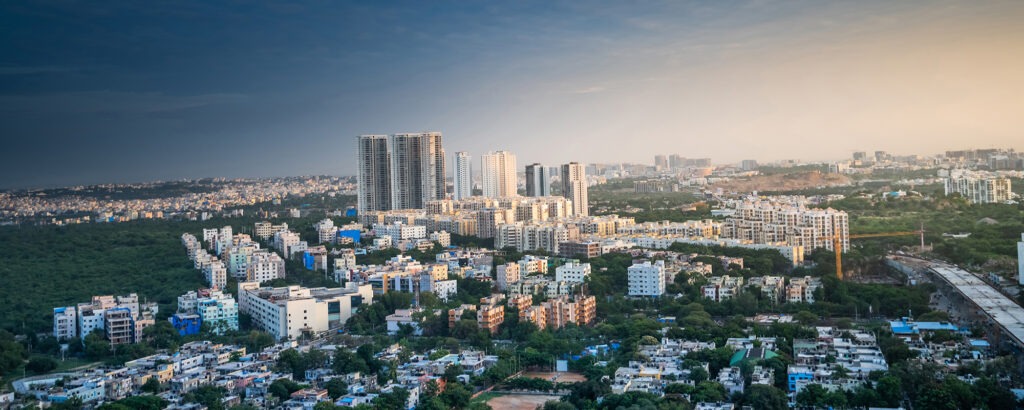
- Key boom areas: Gachibowli, HiTech City, and the Financial District.
- Price appreciation up to 20% YoY in premium zones .
- Kirthi Chilukuri, Stonecraft Group: “Hyderabad being the hub of continuous IT attraction… which is directly proportional to the increasing demand of housing.”
3. Ahmedabad
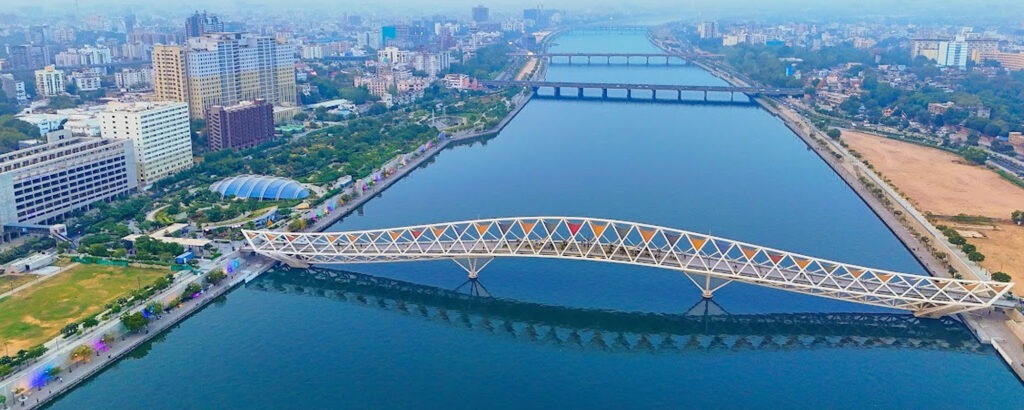
- Anchored by GIFT City — India’s rising global financial hub.
- With smart city redirection and industrial expansion, Ahmedabad is building a strong case for next-level growth.
4. Navi Mumbai
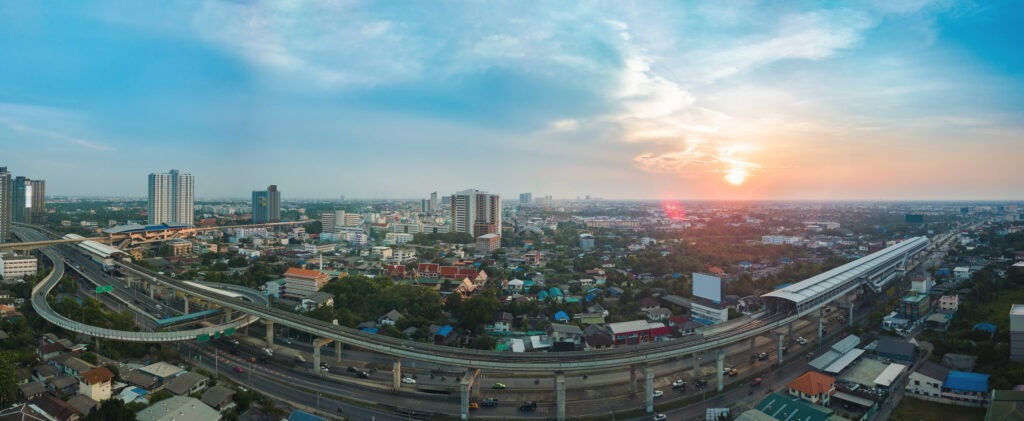
- Massive infrastructure: new airport (~₹16,000 crore), MTHL (Atal Setu), metro lines
- JLL’s Samantak Das: “Infrastructure initiatives planned by 2030 … result in growth of new areas and regeneration of existing core locations.”
Beyond
Tier-1: Tier-2’s Hidden Goldmines
A major shift is underway — smaller metros like Indore, Coimbatore, Lucknow,
Jaipur, and Nagpur are emerging as real estate hotspots. Colliers India’s Badal Yagnik notes:
“Smaller towns are emerging as dynamic contributors … propelled by improved
infrastructure, affordable real estate, skilled talent, and government
initiatives.”
By 2050, over 50% of India’s population will be urban — spreading demand across
both megacities and emerging hubs .
NRIs: Why Now Is the Time to Act
A surge in investment from NRIs — 35% growth in demand year-on-year — signals urgent interest. Contributing factors:
- Easy online transactions,
- Favourable exchange-rate dynamics, and
- Global infrastructure push.
Smart Steps for NRIs
Step | Action |
1 | Choose cities |
2 | Partner with trusted local advisors andlegal experts. |
3 | Prioritize RERA-approved projects &vetted builders. |
4 | Understand tax implications, home loans, POA requirements. |
5 | Use reputable platforms or agencies like NRIONE to guide the process end-to-end. |
Final Take
India’s real estate landscape is transforming — with Tier-1 cities doubling, and Tier-2 cities finding footing. As an NRI investor, positioning now in Pune, Hyderabad, Ahmedabad, or Navi Mumbai, backed by trusted local professionals, could yield exponential returns by 2030.
Pro Tip for NRIs:
Double-check developer histories, legal title cleanliness, and property management arrangements before committing. As one seasoned Redditor warned, avoid FOMO — aim for smart.
Comments are closed